Long Before You Notice It
Professional vacant property inspections for landlords, councils, housing associations, and managing agents responsible for empty residential or commercial buildings.
Vacant buildings attract attention, not just from opportunistic criminals, but from organised activity looking for low-risk access and minimal oversight.
Without regular inspection, problems often develop quietly and become serious before they’re discovered.
Common risks identified during vacant property inspections include:
Signs of unauthorised access or forced entry
Early indicators of illegal cannabis cultivation
Metal theft and internal strip-outs
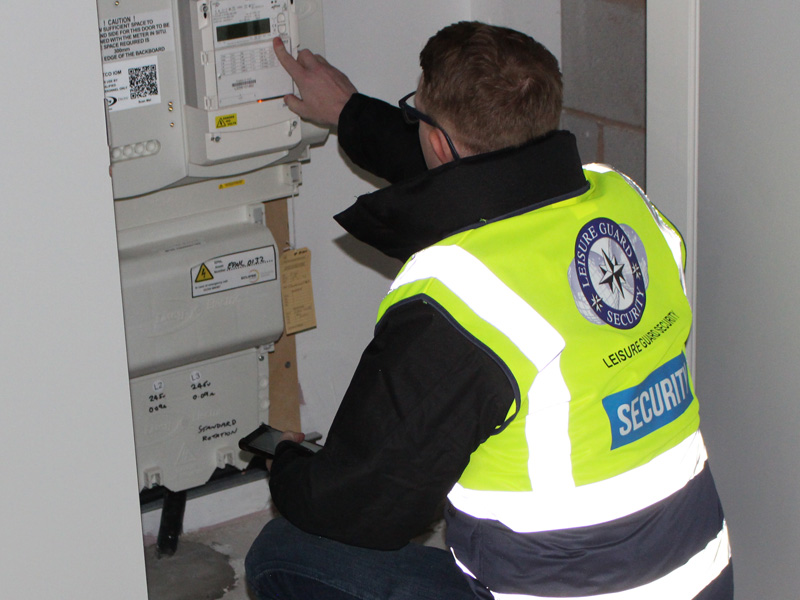
Fire risks caused by illegal electrics or tampering
Burst pipes, leaks, and water ingress
Squatting or anti-social use
Fly-tipping or environmental damage
⚠️ Many of these risks are not visible from the outside and can invalidate insurance cover if left unmanaged.
Most issues in empty buildings develop quietly. By the time damage or criminal activity is visible, the cost is already high.
This 2-minute checklist helps property owners and managers identify:
Early signs of unauthorised access
Fire, water, and insurance risks
Whether inspection frequency needs to increase
This service is designed for organisations and individuals who are legally or financially responsible for empty properties.
We regularly work with:
Local authorities and councils
Housing associations
Commercial landlords
Property developers with stalled or phased sites
Letting agents managing vacant stock
Insolvency practitioners and receivers
If you are accountable for an empty building — whether short-term or long-term — these inspections protect you, not just the property.
Our inspections are carried out by trained security professionals, not contractors or third-party surveyors.
Each inspection follows a structured process and includes:
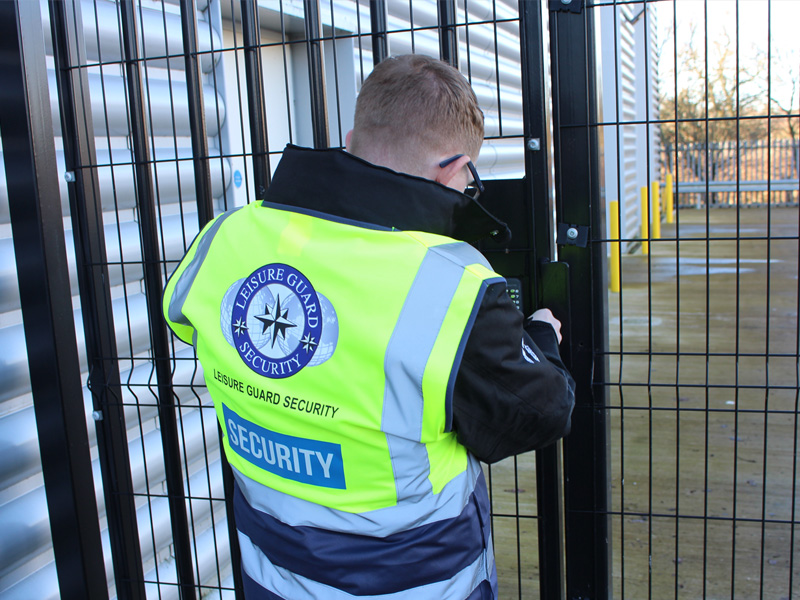
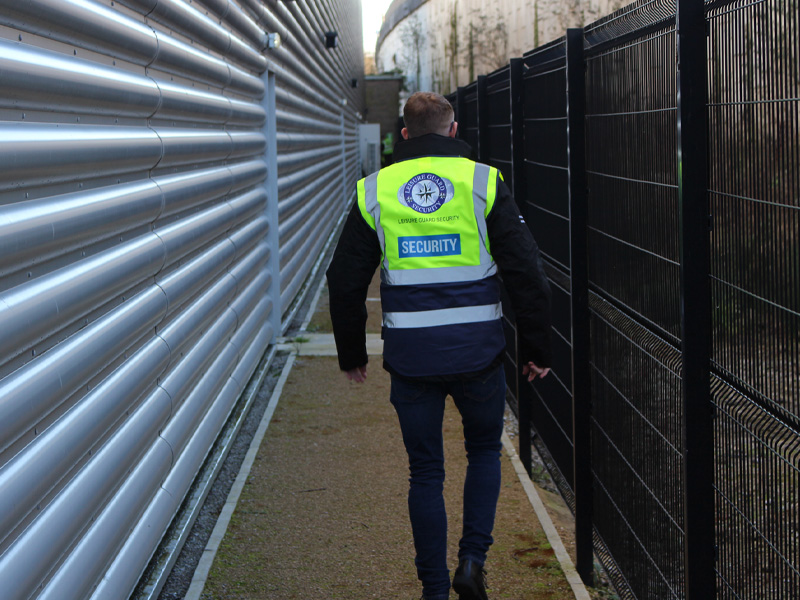
External perimeter inspection
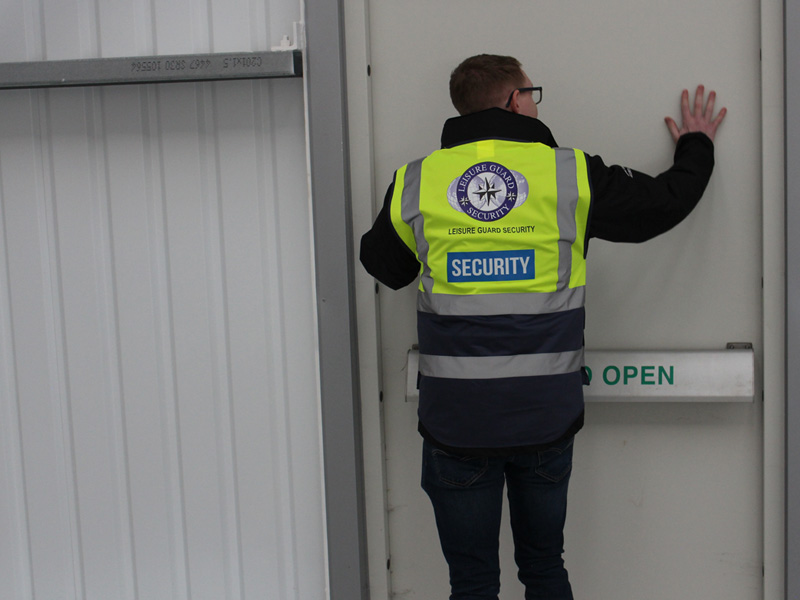
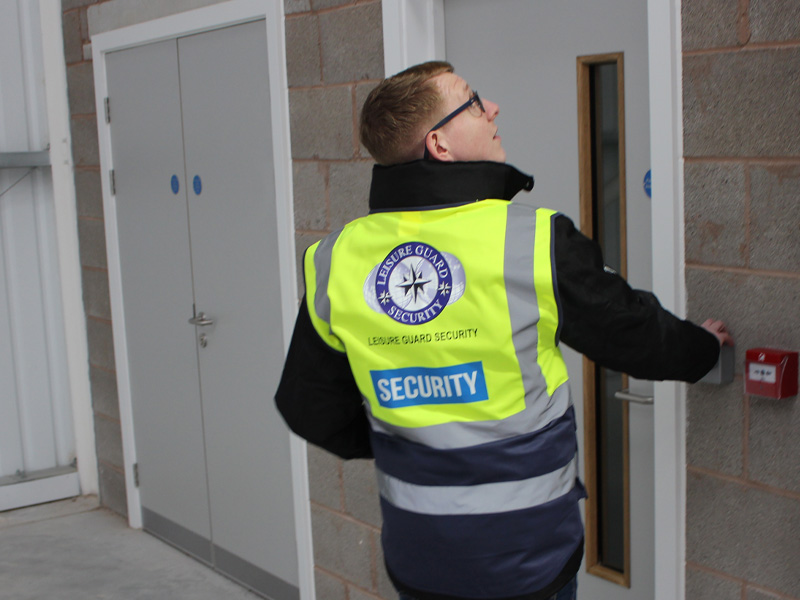
Door, window, and access-point checks
Signs of forced or covert entry
Internal inspection (where authorised)
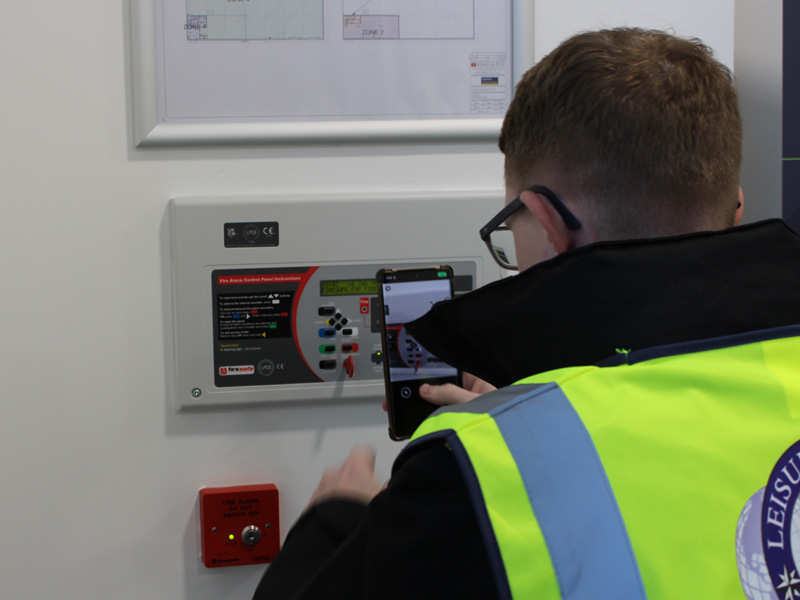
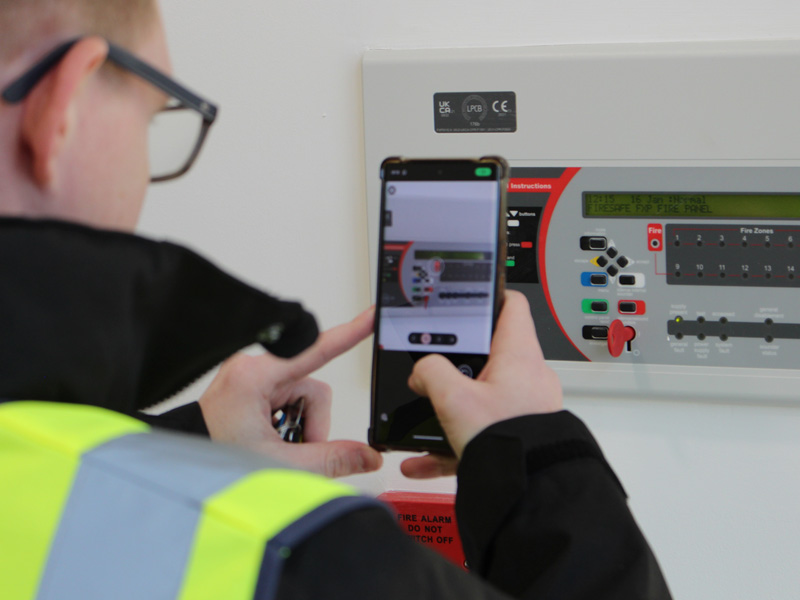
Fire, electrical, and safety risk indicators
Environmental and weather-related risks
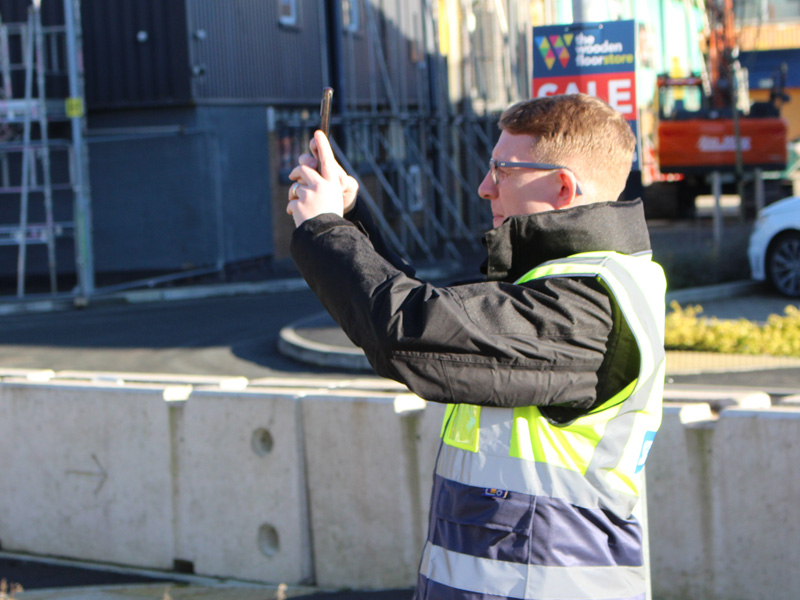
Photographic evidence
Digital inspection report with clear findings and recommendations
Reports provide a clear audit trail and can be used for insurance, asset management, or compliance purposes.
If you already have concerns, or know your property has been vacant for some time, we can review your situation and advise on appropriate inspection frequency.
This is not a sales call. It’s a practical discussion based on:
Property type
Location
Length of vacancy
Known risks or previous incidents
📞 Request a Vacant Property Risk Review
Most insurers require regular inspections, often every 7–30 days depending on risk. Frequency should increase if the property is in a high-risk area or has been vacant for an extended period.
There is no single legal requirement, but landlords and responsible parties have a duty of care. Councils, insurers, and asset managers often mandate inspections to reduce risk and liability.
Yes. Many insurance policies require documented inspections. Failure to inspect can invalidate cover following incidents such as fire, water damage, or criminal activity.
Unauthorised access, early-stage cannabis cultivation, water damage, metal theft, and fire risks are among the most common issues identified during inspections.
Inspections focus on condition, access, and risk identification. Patrols are more visible deterrents. Many properties benefit from a combination of both.
Yes. Trained inspectors can identify early warning signs such as altered electrics, unusual smells, humidity indicators, and covert access methods.
Many councils mandate inspections for empty housing stock, particularly where properties are awaiting reallocation, redevelopment, or disposal.
Most inspections take between 20–45 minutes depending on property size, access, and risk factors.